Is the housing market ready for the expected doubling of the Haredi population in Israel?
UrbanCommunityCentralDynamicFamily
Carasso
And also, what is the connection between the haredi lifestyle and the considerations of buying an apartment, and how are the future housing plans in Jerusalem expected to contribute to the connection in Israeli society? The common division of the absolute majority in the State of Israel is into three main populations: secular, ultra-Orthodox and Arab. Each of these populations has unique housing needs. The ultra-Orthodox sector is perhaps the most interesting, community life and customs that characterize it
And also, what is the connection between the haredi lifestyle and the considerations of buying an apartment, and how are the future housing plans in Jerusalem expected to contribute to the connection in Israeli society? The common division of the absolute majority in the State of Israel is into three main populations: secular, ultra-Orthodox and Arab. Each of these populations has unique housing needs. The ultra-Orthodox sector is perhaps the most interesting, community life and customs that characterize it
The common division of the absolute majority in the State of Israel is into three main populations: secular, ultra-Orthodox and Arab. Each of these populations has unique housing needs. The ultra-Orthodox sector is perhaps the most interesting, the life of the community and the customs that characterize it dictate the pattern of residence. Given the demographic data, according to which the sector is expected to double its size within 20 years, it is interesting to turn the spotlight on the ultra-Orthodox sector and the adjustments it requires from the real estate market in Israel.
As is known, Israel is in an ongoing housing crisis, which is reflected in a steep rise in housing prices. The government's moves to reduce prices are hampered by the lack of planning inventory and long planning processes. This reality requires a long woven strategy that will take into account the unique social fabric of the country's population.
האוכלוסייה החרדית מהווה כיום כ- 12 אחוזים מכלל האוכלוסייה בישראל. שיעור הנישואין ואחוזי הפריון הגבוהים צפויים להוביל לכך שתוך 20 שנה האוכלוסייה החרדית תכפיל את גודלה, ותהווה 17 אחוזים מכלל האוכלוסייה בישראל. העובדה הזו יחד עם נתוני ההיצע והביקוש, והצרכים הקהילתיים המיוחדים של המגזר, מחייבים את תעשיית הנדל"ן להפנות אליה תשומת לב ומשאבים מיוחדים.
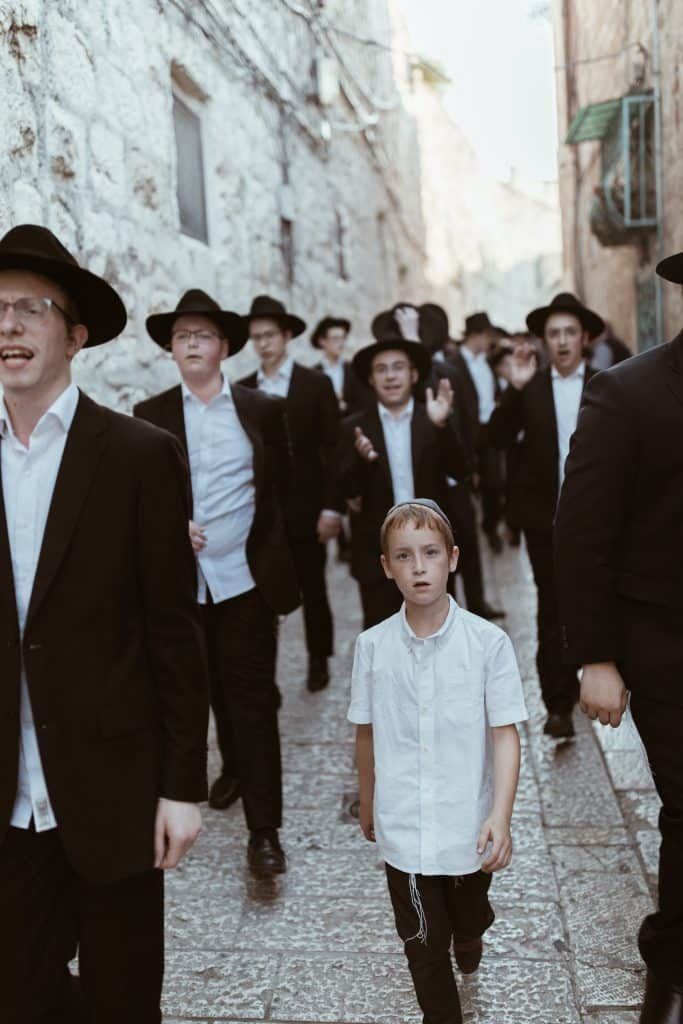
המגזר החרדי יכפיל את גודלו בעשרים השנים הקרובות, צילום: Blake Campbell
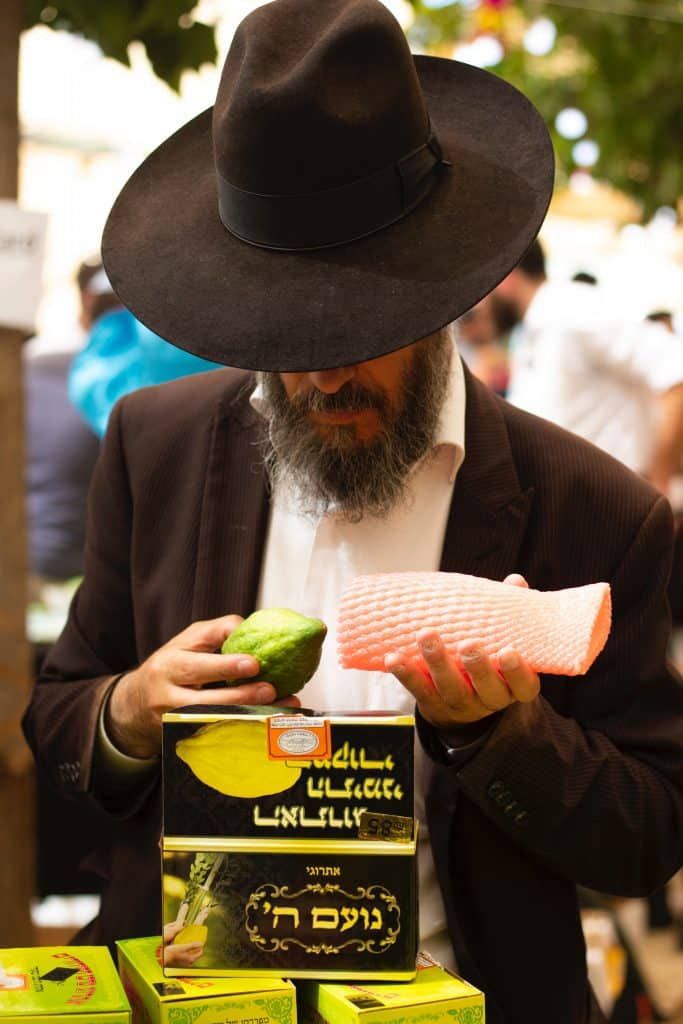
מרפסת סוכה in מעלית שבת out
מתברר שאורחות חיים שונות יובילו למאפייני דיור שונים. בעוד מרבית האוכלוסייה בישראל תבחר מקום מגורים על בסיס העדפות אישיות, משפחה חרדית תבחן שיקולי – הומוגניות, ריכוז שירותים לקהילה, קרבה/צירי תחבורה לירושלים ולבני ברק. המשפחה החרדית תעדיף להתגורר בתוך הקהילה אליה היא משתייכת היות ובמקרים רבים הקהילה נותנת את המענה הדתי-הלכתי. מחיר הוא שיקול קריטי בקבלת ההחלטה היות וההכנסה במשפחה חרדית נמוכה ביחס לממוצע בישראל. מעניין לראות שההכנסה הנמוכה יחד עם עליית המחירים מתחילות להראות את אותותיהן בשטח, ובמגזר מתחילה מגמה של ירידה ברכישות לצד עלייה בשכירויות.
תכנון שכונה חרדית יהיה שונה מתכנון שכונה שאיננה חרדית בתחומים רבים. אחוז השטחים המיועדים למבני ציבור יהיה גבוה יותר למשל, זה נובע מהצורך הגדול במוסדות חינוך ושירותים, ומהעובדה כי מספר הנפשות בכל יחידת דיור גבוה בהרבה. לעומת זאת תקן החנייה – נמוך, היות ורוב האוכלוסייה משתמשת בתחבורה הציבורית. מיעוט השימוש במעלית שבת מחייב בנייה נמוכה יחסית, ומצוות בניית סוכה מחייבת מרפסת מתאימה. על הרקע הזה רווחת הדעה כי נכון לתכנן פתרונות דיור ייעודיים לקהילה החרדית כאלה שייתנו מענה הולם לאורח החיים.
אבל כמו תמיד בנדל"ן הדיון נסוב סביב – לוקיישן. הדעות חלוקות לגבי מיקומם האופטימלי של המתחמים האלו – סברה אחת דוגלת בהקמת ערים חרדיות הומוגניות, כאלה שיתוכננו במיוחד לספק את צרכי הקהילה מחד, ומאידך לא יגבילו את האוכלוסייה הלא חרדית וכך ימנעו חיכוכים. הסברה השנייה, פוסלת את הראשונה בטענה שהניתוק יוביל בהכרח לריחוק, יעצים את הבידול ויגדיל את הפערים באוכלוסייה. אלו מאמינים בהקמת שכונות ייעודיות בתוך ערים שאינן חרדיות – ועל ידי כך לתת מקום לקהילתיות אך לא לייצר סגירות ובדלנות.
קריית גת היא דוגמה אקטואלית להבדלים בין הגישות בקרב מקבלי ההחלטות. בעוד שר הבינוי השיכון, יעקב ליצמן, מקדם הקמת עיר חרדית חדשה ממערב לעיר, שר הפנים דוד דרעי, מקדם תכנית לרובע חרדי שיהווה חלק אינטגרלי מהעיר.
מגמות נדל"ניות חדשות במגזר
אחד מאזורי הביקוש המרכזיים לאוכלוסייה החרדית הוא כמובן העיר ירושלים. בעשור האחרון מוצו כמעט כל אופציות הבנייה בשכונות החרדיות במזרח העיר ובמערבה. כיוםהתחדשות עירוניתהיא המענה העיקרי לבניית יחידות דיור חדשות בירושלים שיוכלו לספק חלקית את הביקוש העתידי. חלק נכבד מריכוזי האוכלוסייה החרדיים הוותיקים בישראל, כולל מבנים ישנים שיכולים להתאים מבחינת פרופיל להתחדשות עירונית.
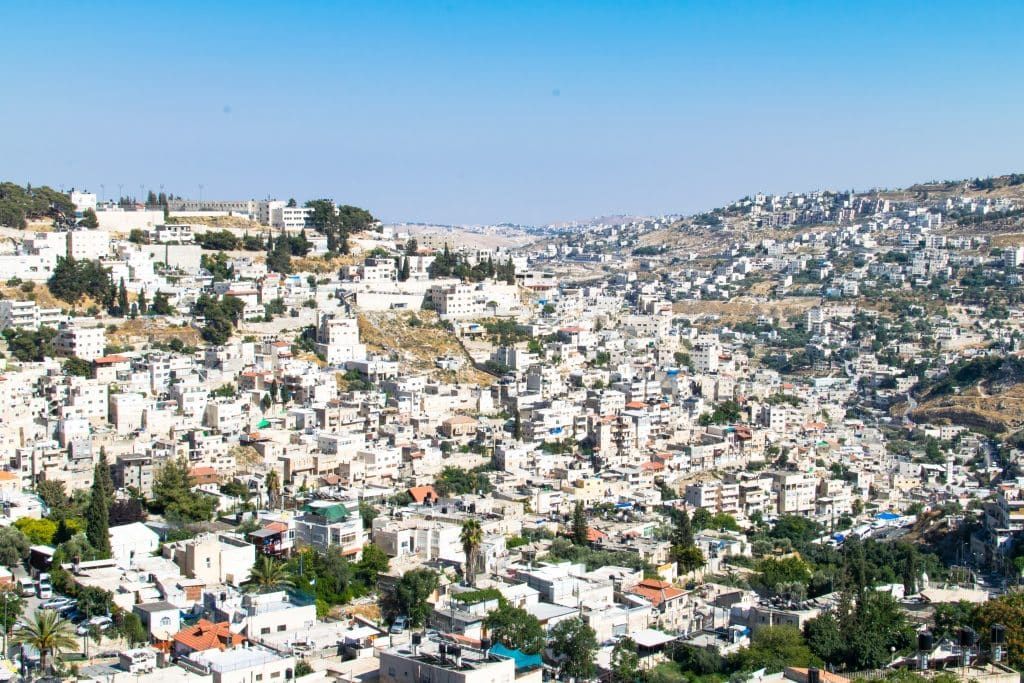
מיצוי אופציות בנייה בירושלים, צילום: Benjamin Rascoe
בירושלים קיימת גם כדאיות כלכלית לפרויקטים כאלו היות והביקוש עולה על ההיצע. הבעיה היא שברוב השכונות החרדיות בעיר אין תשתית התומכת בהוספת יחידות דיור. עובדה זו נובעת מהצפיפות הגדולה ומריבוי אזורים המיועדים לשימור. מכאן נובעת המגמה המתעצמת של תכנון פרויקטים של התחדשות עירונית לאוכלוסייה החרדית בתוך שכונות כלליות. הפתרון הזה ייתן מענה הולם הן לאוכלוסייה הוותיקה בשכונות שייהנו משיפור תנאי המגורים והתשתיות, והן לדיירים החדשים.
מאידך, מחקר חדש חושף כי זוגות צעירים מהמגזר החרדי ייפנו לרכוש את דירתם הראשונה דווקא בפריפריה, כדירה להשקעה. הסבר לכך טמון כנראה בין היתר בעובדה כי עלויות הבנייה בירושלים גבוהות, וליזמים קשה עד בלתי אפשרי להציע דירות במחירים "ברי השגה" לזוגות הצעירים בכלל ולזוגות מהמגזר החרדי בפרט. כך שהחלום לבעלות על דירת מגורים ראשונה בעיר נשאר בגדר חלום וזוגות רבים יאלצו לרכוש דירה לצורך השקעה מחוץ לעיר, ולשכור דירה למגורים בתוכה.
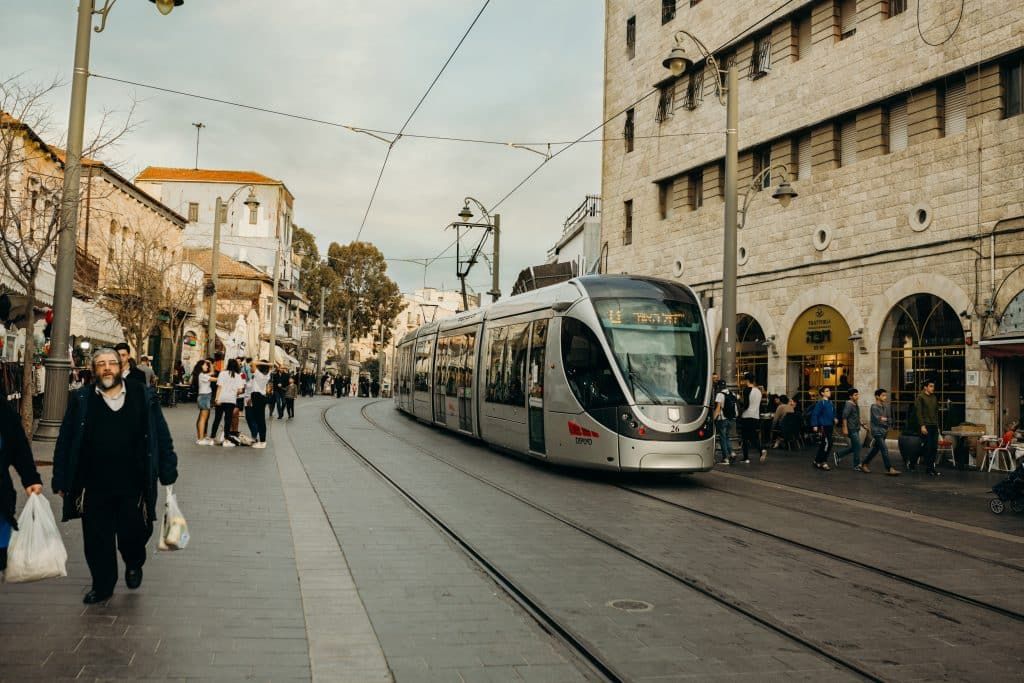
האם פנינו לחיבור או לבידול? צילום: Laura Siegal
מעניין יהיה לראות אלו שינויים יחולו במפת ישראל נוכח השינויים הדמוגרפיים העתידיים. האם נמצא יותר ריכוזי אוכלוסייה מבודלים, או שכונות מעורבות שמחזקות את הדומה על פני השונה? והאם האברכים יחליפו את המסורת ארוכת השנים של רכישת דירה למגורים, ויעדיפו על פניה שכירות או דווקא נכס להשקעה?