What is the future of residential real estate going to look like?
UrbanCommunityCentralDynamicFamily
Carasso
The 21st century presents humanity with complex challenges and issues in a variety of areas of life, migration, economy, technology and the environment. As a society, we are shaping ourselves and striving to adapt accordingly. Extreme climate events such as the wildfires in Australia, severe and unusual heat loads in significant parts of the world, floods and inundations in hot and non-rainy countries - all of these force a new adaptation to different weather conditions
The 21st century presents humanity with complex challenges and issues in a variety of areas of life, immigration, economics, technology, and the environment. As a society, we are shaping ourselves and striving to adapt accordingly.
Extreme climate events such as the wave of fires in Australia, unusually heavy heat loads in large parts of the world, floods and inundations in hot, non-rainy countries – all of these force a new adaptation to different and extreme weather conditions.
Increasing urbanization significantly increases demand for real estate in large cities, daily traffic jams that harm the quality of life and the environment, an increase in the number of self-employed people who work from home thanks, among other things, to technological developments, and now, the Corona crisis that surprised the world and caused us all to stay in our homes for weeks, with the global effects of this crisis in the short and long term still unclear. These changes in our lifestyle require our property to meet a variety of needs that did not necessarily exist until the beginning of this century, when many of the apartments we live in today were built.
So how will this evolution in our lifestyle and reality change and reshape the future of residential real estate ? Will the new apartments contain the same elements of apartments built in the 1980s? Or are we perhaps facing a real revolution in the field of real estate?
2035 – Different lifestyle – Different need
The homebuyers of 2035 will demand and expect more from their property. While the previous generation needed a large kitchen with a dining area or a large bedroom for the parents, the new generation of residential real estate consumers live completely differently than they did two decades ago and value things differently.
Today, following the digital revolution that has swept the world of work, many city residents work from home regularly and need a space that will serve as a pleasant and comfortable workspace. In addition, in many homes, especially those living in the city, there is no real need for a huge refrigerator and a spacious kitchen, since everything is under the house and there is no real need for storage. In families with children living in the city, we see a trend towards large shared children's rooms at the expense of space in the parents' bedroom, where they spend a total of 8 hours a day at most.
The apartment consumers of 2035 will expect their property to not only serve their physical needs, but also their spiritual and idealistic ones. They will want to live in a place that reflects 'who they are' and acts in accordance with their agenda, such as green construction or shared spaces that save energy and allow recycling between tenants and neighbors themselves.
Renewable energy
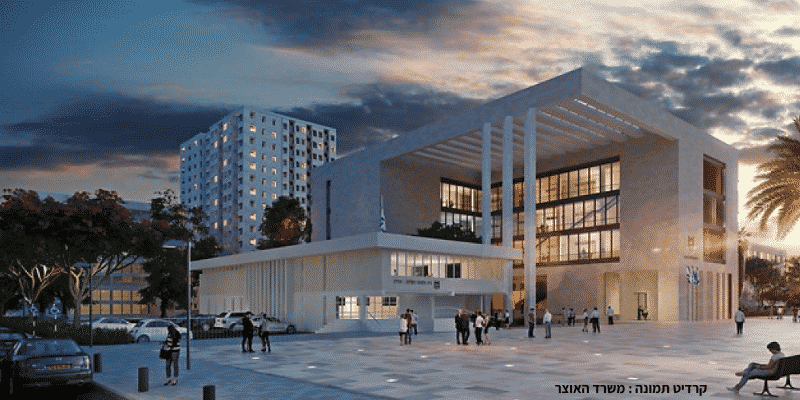
In recent years, in light of the growing energy crisis in the world, new construction methods have been developed that use the energy available in nature and in fact save electricity and resources and create an environment that feeds itself. This construction is known as 'zero energy building' (ZEB – Zero Energy Building) and it actually makes maximum use of what is available to maximize and consume as little external energy as possible to maintain the building. For example, using air conditioner water for irrigation, heating domestic water using refrigerator energy, using solar panels on the roof of the building to store electricity and turning household waste into usable energy.
The Hadera courthouse was built using this method, and is expected to use about 80% of its energy as renewable energy and return its construction investment in just 6 years, while saving energy.
The minimalism phenomenon is gaining momentum
The need for a green environment and maintaining the ideology leads us to the next thing – minimalism. This is not just a buzzword that has been gaining momentum in recent years, but a real trend that has also entered the world of architecture due to the rising need to maintain a green, healthy, and frugal environment.
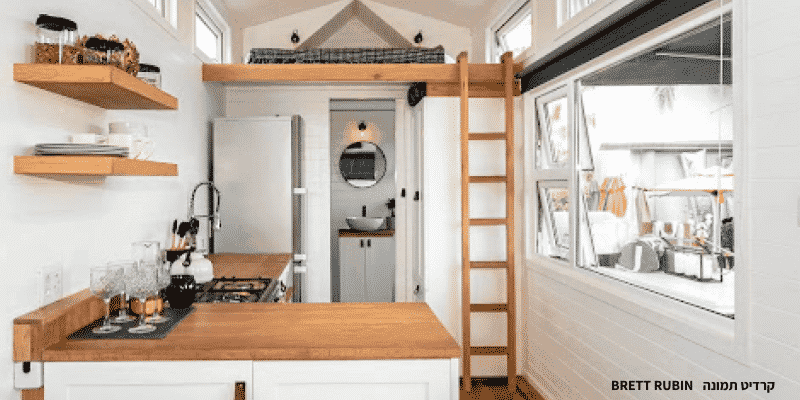
Minimalist construction is characterized by maximum utilization of small spaces through the parallel use of household elements that are assembled as needed, for example, a bed that opens at night and turns into a desk during the day using easy-to-use gears.
Minimalist construction has additional advantages when it comes to our pocketbook – a smaller area costs less, uses less electricity, and ongoing maintenance costs are reduced, which reduces the costs of the property in both the short and long term. Of course, minimalist construction is also directly related to urban density and high real estate prices in large cities, which lead those who insist on living in the city to reduce their living space.
Technological tools for dealing with accelerated urbanization
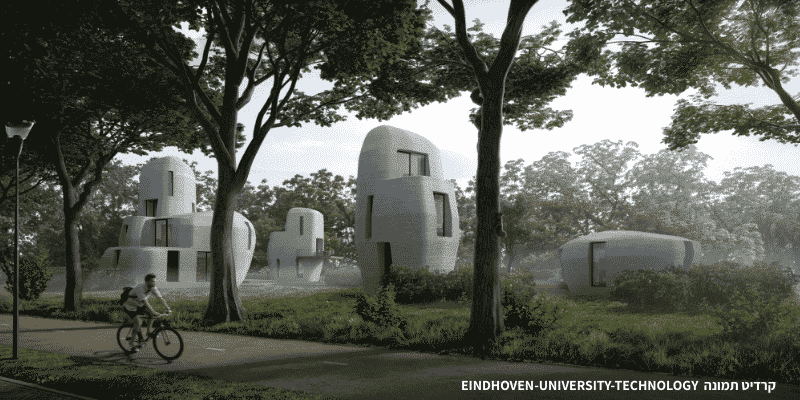
The world is preparing for a massive increase in the population, with a significant percentage of it concentrated in large cities. Many teams, including universities, are testing and creating new housing options, which are characterized by relatively low construction costs and rapid construction processes. One of the interesting initiatives in recent years was that of the Eindhoven University of Technology in the Netherlands, which created concrete houses built using 3D printing technology. As part of the project, a small town was built entirely of these printed houses, and they were rented out through a real estate agency.
The future of residential real estate is undergoing a real revolution. As Generation Y matures and many of them enter the real estate market, the need for more housing in and near major cities increases, the demand for real estate assets with diverse usage needs, and of course the rising desire for green construction and a lifestyle that supports environmental protection and savings - all of these will make real estate more minimalist, greener, healthier, and more collaborative in the coming years!